
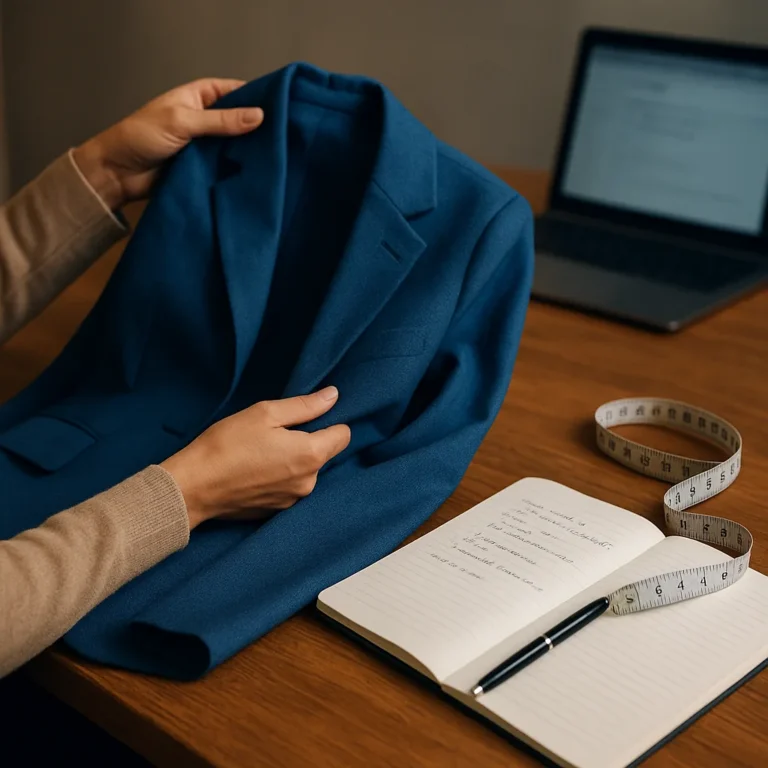
Fashion shoppers need more than a quick statement that a garment looked good. A useful trial review records practical details about size, fit, fabric, color, comfort, and construction. These observations give readers context without turning one personal experience into a universal promise about performance or quality.
Begin after receiving an item and reading all current instructions in the account. Applying does not guarantee selection, and a review is a responsibility for participants whom SHEIN selects. The goal is observation, not promotion, prediction, or a claim that others will share the experience too.
Start With the Product Information
Compare the received product with the description and sizing information shown through the official account. Note important differences in measurements, materials, or visible details, but avoid assuming every variation is a manufacturing issue. One item may differ from another because of color, production, or viewing conditions.
Use program instructions for the submission path, format, and deadline rather than relying on a specific checklist. A fashion review framework can improve what you notice, but it cannot replace directions attached to the selected product. Keep notes when they help you recall what you observed.
Describe Fit With Context
Explain whether the garment felt loose, close, short, long, structured, or flexible on your body during ordinary use. Add context about activity, layers, or posture when those factors changed the impression. This helps readers understand how fit behaved without treating it as a universal verdict.
Record Size and Shape Observations
Record whether the item matched your selected size and identify where it felt comfortable or restrictive. Mention sleeve, shoulder, waist, length, rise, or opening details when they affect movement or use. Specific descriptions are more helpful than calling a garment true to size, oversized, or unsuitable.
Keep language factual, specific, and respectful when discussing shape or proportion. Explain what you noticed and when, instead of assigning blame or making a broad claim about a brand’s sizing system. The purpose is to guide another shopper, not predict the result for every body.
Describe Fabric and Color
Discuss fabric through qualities you can observe, such as weight, texture, stretch, softness, stiffness, breathability, or warmth. Describe how material felt against the skin or moved during the use you experienced. Avoid technical claims about composition or performance unless the provided product information supports them.
Color notes should explain whether the item appeared close to the displayed shade under your viewing conditions. Mention indoor lighting, daylight, screen differences, or surrounding colors when they influenced your impression. Careful wording acknowledges personal perception without declaring every shopper will see the same hue.
Consider Comfort and Construction
Describe comfort during the ordinary use you experienced, including sitting, walking, reaching, or layering when relevant. Notes about seams, closures, hems, stitching, lining, pockets, or other construction details can reveal practical strengths and limitations. Keep each observation tied to the situation in which it occurred.
Inspect visible construction without turning a review into a durability promise. You can report loose threads, uneven seams, closures, or smooth lining if those details were present during review. Do not claim that an item will last for any period without evidence from use alone.
Use a Simple Observation Grid
Organize notes under headings: fit, fabric, appearance, and use. Under fit, record shape and movement; under fabric, record feel and weight; under appearance, record color and visible finish; under use, record comfort and context. This grid keeps notes balanced while making details easier to spot.
Respect the Review Deadline
Some published U.S. guidance has identified ten days after delivery as the review period for selected participants. Treat that number as something to verify in the current account, because deadlines, formats, and submission requirements may change. Instructions attached to your selected product should control preparation.
Take notes early so you can separate immediate impressions from observations gathered through appropriate use. Recheck the garment before submitting, and identify which comments describe appearance, movement, or comfort. A review is less likely to omit useful details or rely on vague language under pressure.
Guide Readers to Current Rules
Good fit information can improve a decision, but it cannot guarantee a match for someone else. Product availability, participant selection, and program rules remain controlled by the program and may vary over time. Keep limits visible so readers understand what observations can and cannot establish.
Before submitting, check SHEIN’s verified official website or program page after confirming that the destination is genuine. Read current account instructions rather than relying on a post or copied checklist. This independent step helps you follow the applicable process without implying guaranteed access or selection.
Observe before judging: check the fit, describe the fabric, note the color, consider comfort, inspect construction, and explain the context. Specificity makes a trial review more useful, while universal promises can mislead. Let the evidence from your actual experience guide each conclusion and recommendation carefully.